Rozy Matania
Prashant Bhushan’s contempt case has unveiled several questions concerning Indian Judiciary, Freedom of Speech and Expression, and Indian Democracy. At first, the extent and parameters of fair criticism and dissent under the umbrella of Article 19(1)(a) of the Indian Constitution which provides fundamental freedom of speech and expression are under scrutiny. Prashant Bhushan, a senior advocate of the Supreme Court was held guilty of contempt of Court for undermining the dignity of the apex court and putting the public confidence reposed in Judiciary at risk with two tweets about Chief Justice of India and the working of Supreme Court during the lockdown due to COVID-19 Pandemic times. Besides that, the accountability of court while handling the matters related to criticism of Supreme Court judges and contempt also poses another serious question.
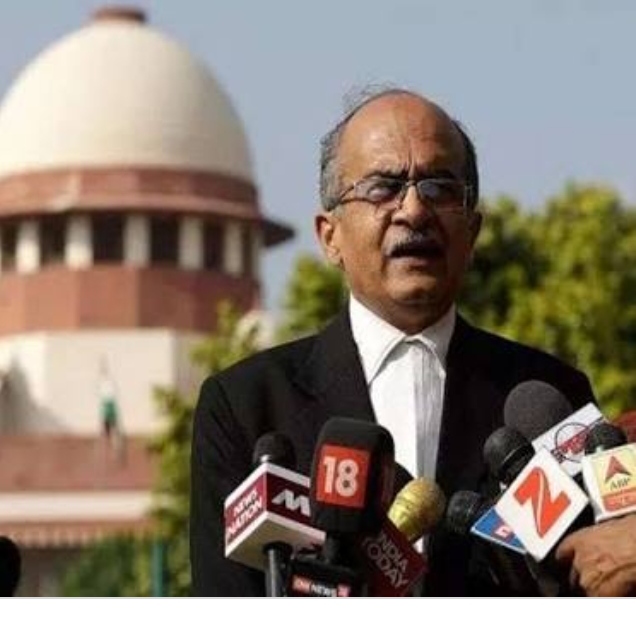
Bhushan’s s case is indeed a reminder to the citizens of India who were silent during the scandalous Justice C S Karnan Contempt case back in 2017. Francis Bacon, an English statesman once said that “The place of justice is a hallowed place, and therefore not only the Bench, but also the foot space, and precincts and purpose thereof ought to be preserved without scandal and corruption.” If the core purpose of contempt law is to protect the judiciary, its premises must be established succinctly. Supreme Court must satisfy the public in general, and the people linked to the Indian legal system, in particular with legal reasoning and not with the reiteration of the purpose of contempt laws.

The Voice of dissent should not be muted in the name of guarding the sanctity of the institution regarding which such voice is being raised. The unappealing nature of dissent and disagreement should not come in the way of truth and justice. Various politicians, primarily from opposition parties have warned that the SC’s Judgment will have a ‘chilling effect’ on free speech and expression of dissent. Senior Advocate Indira Jaising also called for the constitutional bench of the Supreme Court to reconsider the verdict as it involves a substantial question of law.
Former Supreme Court Judge Justice Kurian Joseph has expressed his concerns about the slightest possibility of miscarriage of justice in the Bhushan’s Contempt case and urged that a second opportunity by way of intra-court appeal should be given in the matters of suo moto contempt cases to prevent injustice.
Under the Contempt of Courts Act, there is no way to file an appeal against the decision of the Supreme Court which is the first and last court to punish for contempt of itself.
The law of contempt of court is essentially meant for keeping the administration of justice pure and undefiled. It must be used sparingly used to protect the judiciary as an institution, the third limb of Indian democracy.

The Protection of Fundamental Rights as envisaged in the Indian Constitution is also one of the numerous functions of the Supreme Court. There is a need to reconcile the law of contempt as well as freedom of speech and expression for the effective administration of Justice.
Rozy Matania is a research scholar, Law department, Panjab University Chandigarh